
BUYER GUIDE 01 · PROCUREMENT + QA + IMPORT
How to import dried galangal without buying assumptions.
A buyer does not import a product page. The buyer imports identified goods under a specification, through a responsible importer, with a lot-linked evidence file and a contract that says where responsibilities change.
01 · BEFORE THE RFQ
The supplier brief and import brief are one file.
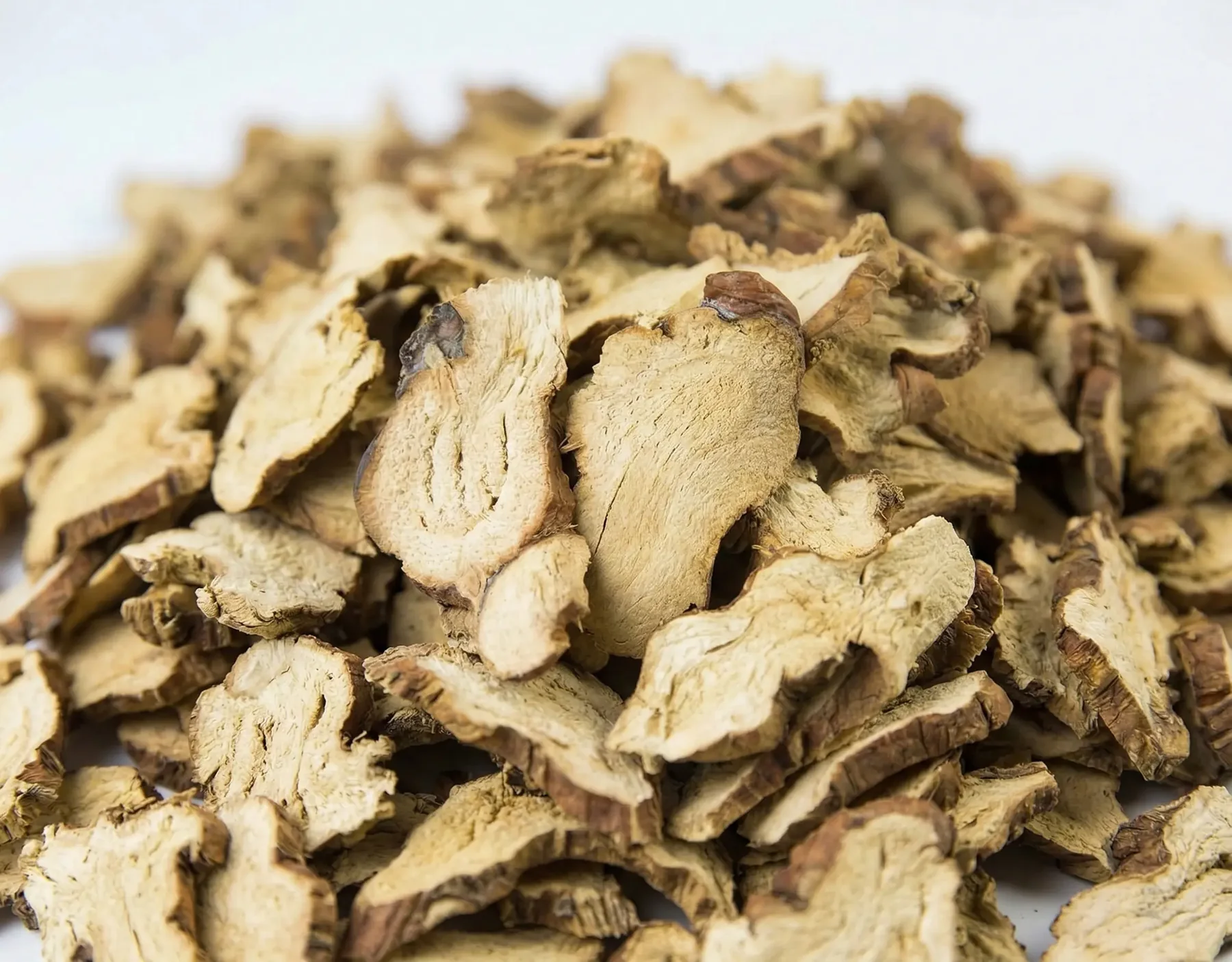
Dried galangal whole / chunk and slices can serve different industrial or wholesale uses. Those uses affect desired cut, sensory expectations, preparation, testing, pack, label, documentation, and destination treatment. A generic “premium export quality” request leaves every costly decision open.
The objective is not to collect the largest document stack. It is to collect the smallest complete file that lets the buyer, supplier, importer, broker, laboratory, carrier, and authority describe the same goods.
02 · SEVEN BUYER DECISIONS
Close the decisions in the order that information depends on them.
- 01Botanical declaration · whole / chunk or slices · product description
Product identity
Which botanical material and dried form is being purchased?
- 02Application · buyer segment · bulk / retail route
Intended use
How will the buyer process, formulate, pack, or resell it?
- 03Importer role · country file · entry / broker plan
Destination control
Who is the importer and which authority workflow applies?
- 04Specification revision · analytical matrix · release decision
Specification & test plan
Which limits, methods, sampling, laboratory, and acceptance rules apply?
- 05Sample ID · source lot · change / validity rule
Sample relationship
Is the sample representative, indicative, approved, retained, or lot-specific?
- 06Pack instruction · lot code · mass / tally record
Pack & traceability
How is the product protected, marked, counted, and linked to records?
- 07Written quote · named place / port · order file
Commercial handover
Where do risk, cost, documents, payment, and responsibility change?
03 · IDENTITY BEFORE GRADE
A commercial name cannot carry the botanical decision alone.
The order description should connect the agreed botanical material to the commercial form and intended use. “Galangal,” “greater galangal,” “lesser galangal,” “kulanjan,” “lengkuas,” ginger, and other rhizomes can be confused across markets and trade descriptions.
SENESA’s current site scope is deliberately narrow: dried galangal whole / chunk and dried galangal slices. Powder, extracts, oil, organic status, and medicinal claims are outside the active offer unless separately verified.
Compare the two active formats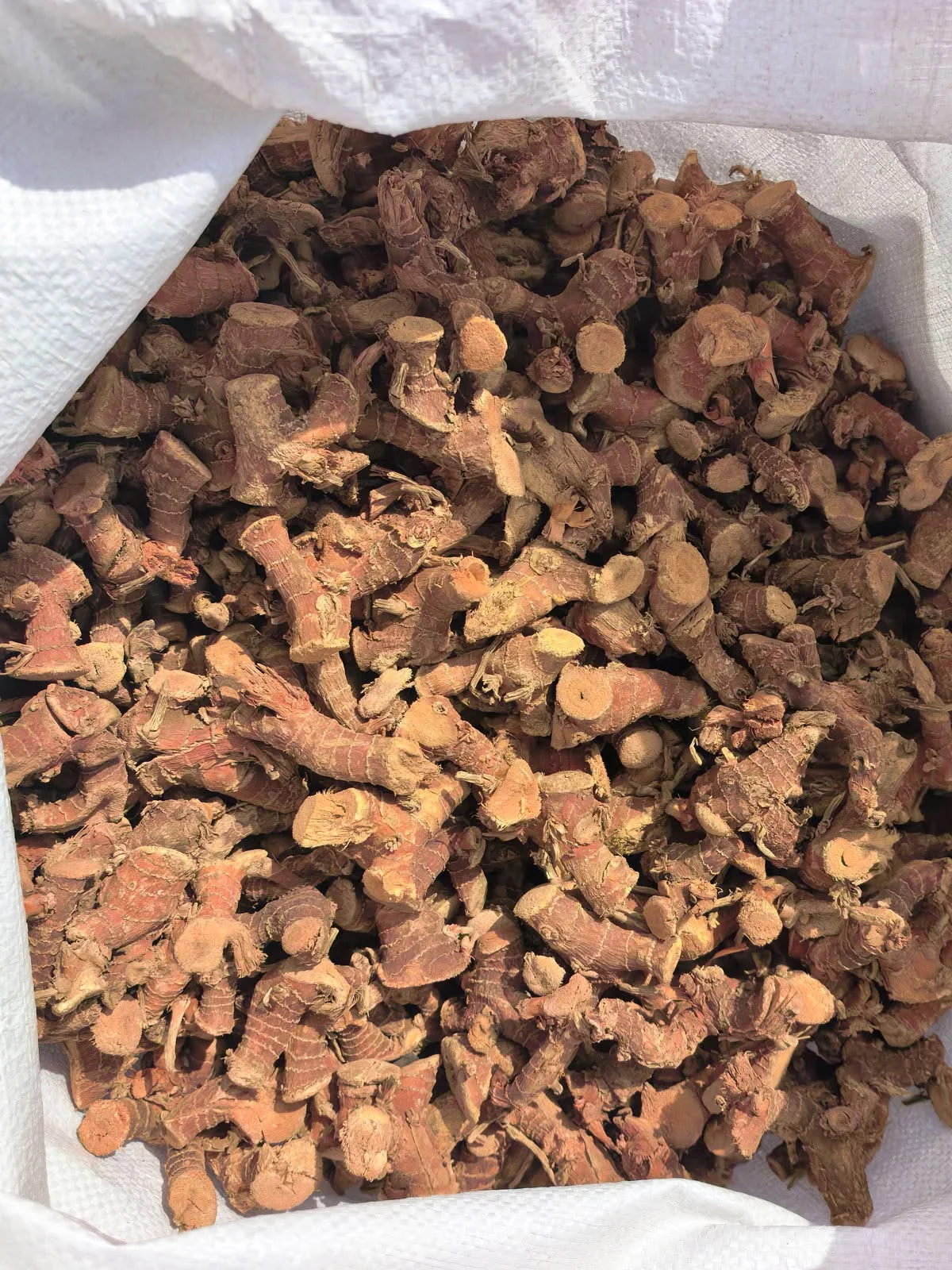
04 · DESTINATION CHANGES THE FILE
The importer owns a different control route in each market.
The table is a routing index, not a legal conclusion. Open the country dossier and verify current applicability with the responsible importer and authority sources.
| Destination | Buyer-side lead | First control questions | Dossier |
|---|---|---|---|
| United States | U.S. importer / FSVP importer | Facility-registration applicability, FSVP evidence request, prior notice, English label / entry data | Open |
| Netherlands / EU | EU importer / food business operator | Commodity mapping, current MRLs, contaminants, test plan, Dutch / EU official-control status | Open |
| UAE / Dubai | Licensed food importer / establishment | Local sale or re-export, item / label assessment, consignment release, claims and importer route | Open |
| India | FSSAI-licensed importer / CHA | Product classification, FICS / ICEGATE file, label, risk-based inspection, sampling and testing | Open |
05 · MINIMUM COMPLETE BUYER FILE
Eight linked records. One description of the goods.
If a field changes, the buyer should know which downstream records, tests, labels, documents, and price assumptions must be reviewed again.
- Identity
- Scientific / botanical declaration, common name, product form, origin wording, intended use
- Specification
- Revision, parameters, units, limits, methods, tolerances, treatment restrictions, defects and acceptance
- Sample
- Sample ID, date, source, source lot, preparation, representativeness, retention, approval and change rule
- Lot
- Source / processing / format code, batch records, quantity, mass balance, pack IDs, hold / release status
- Testing
- Named analytes, sample plan, method, reporting limit, laboratory, result, uncertainty / interpretation and disposition
- Pack
- Food-contact layer, liner / closure, commercial pack, count, net / gross weight, marks, pallet and container plan
- Documents
- Issuer, data source, timing, copies, language, validity, included / conditional / buyer-provided status
- Commercial
- Quantity, currency, unit, inclusions, Incoterms® Rule + exact named place / port + version, payment and validity
06 · SAMPLE ≠ SHIPMENT
Write the relationship before approving the sample.
A useful sample record states what was sampled, where it came from, whether it represents a source, process, batch, or allocated lot, how it was prepared, which tests belong to it, how long the approval remains valid, and what changes require resampling.
A beautifully uniform sample does not prove that a later commercial lot will match. The purchase file needs a change, deviation, rejection, replacement, and claim path.
07 · SIX RED FLAGS
Pause the order when the evidence relationship disappears.
- R1
A product name that alternates between galangal, ginger, kulanjan, kencur, or another rhizome without a botanical declaration
- R2
A fixed “export grade” specification with no method, sample basis, revision, or buyer acceptance path
- R3
A certificate list that does not name issuer, scope, product / facility, expiry, order applicability, or availability status
- R4
A COA treated as product-wide proof although the sample, lot, method, laboratory, or report relationship is unclear
- R5
A price without currency, unit, quantity, pack, named place / port, Incoterms® version, timing basis, exclusions, and validity
- R6
A market page that claims customers, shipment history, registrations, approvals, or fast clearance without evidence
08 · PRIMARY PLANNING SOURCES
Use official systems for the current route.
General export and delivery-rule planning should be checked against Indonesian Customs, ICC Incoterms® 2020, and IPPC ISPM 12. Destination dossiers link the relevant FDA, EU / NVWA, UAE / Dubai, and FSSAI sources.
These sources do not replace classification, regulatory, customs, laboratory, logistics, banking, insurance, tax, or legal advice for a live transaction.
09 · BUYER QUESTIONS
Turn uncertainty into fields the parties can close.
What should a dried galangal buyer request first?
Start with product identity, dried format, intended use, destination, importer role, quantity, specification or target, analytical scope, packing, documents, named place or port, and target timing. Price alone cannot qualify the order.
Is a supplier sample the same as the shipment lot?
Not automatically. The sample file must state whether it is indicative, representative of a source or process, drawn from an allocated lot, approved, retained, or subject to change. The quotation should state what happens if the commercial lot differs.
Which HS code applies to dried galangal?
This guide does not publish a binding classification. Product description, botanical material, form, processing, intended use, destination nomenclature, and current customs interpretation must be reviewed by the importer or customs adviser before the quote relies on a code or tariff.
Which Incoterms® Rule is best?
There is no universal best rule. Choose the official rule that fits the transport mode, delivery point, customs capability, carriage and insurance responsibility, then write the rule, exact named place or port, and Incoterms® 2020 version in the contract.
TURN THE GUIDE INTO AN RFQ
Start with the importer and intended use.
Share format, intended use, quantity, destination, importer role, specification, tests, packing, documents, named place or port, and target timing.